
Bug Out Bag Checklist: What to Pack for 72 Hours
A bug out bag is a ready-packed bag that lets you leave home quickly and look after yourself for about 72 hours if you have to evacuate. Storms, power outages and other emergencies rarely give much warning, so having the essentials in one place can make a stressful moment easier to handle. This bug out bag checklist covers what to pack, how to choose the bag, and real gear you can find at Pine & Flint.
Every household is different, so treat this as a starting list and adjust it for your family, climate, medical needs and local risks. In West Michigan, for example, winter storms mean warm layers deserve extra attention.
What Is a Bug Out Bag?
A bug out bag, also called a go bag or 72-hour bag, is a portable kit built to cover the basics: water, food, shelter, warmth, light, first aid, tools and communication. It differs from a home emergency supply, which stays put and can be larger. A bug out bag has to be light enough to carry, organized enough to find things fast, and packed ahead of time.
Step 1: Choose the Right Bag
The bag is the foundation. Look for:
- Capacity you can actually carry. Pack your gear first, then pick a bag that fits it without much spare room. Too big a bag invites overpacking.
- Organization. Dividers, pockets and pouches help you find a flashlight or first aid kit without unpacking everything.
- Comfort. Padded shoulder straps and a hip or sternum strap make longer carries easier.
- Durability. Tough fabric and solid zippers matter when the bag lives in a closet or trunk for months.
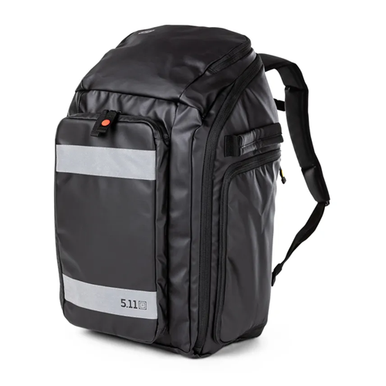
At Pine & Flint, the 5.11 Tactical Responder 72 Backpack is listed with 50 liters of capacity and adjustable, removable internal dividers that keep contents from shifting. It is engineered for EMS, fire and law enforcement personnel, which makes it a fit for a larger, well-organized kit. For a smaller everyday-readiness setup, look at the Vertx Ready Pack X or browse Bags & Packs and Backpacks.
Step 2: Water and Hydration
Water is the top priority and also the heaviest item. Plan on carrying some water and a way to make more safe to drink.
- Water bottles or a hydration reservoir
- A water filter or purification tablets
- A metal bottle or cup that can also boil water
A hydration pack keeps water easy to reach on the move. The Source Tactical Air Fuse Hydration Pack pairs a 3L hydration system with 9L of cargo space. See more in Hydration Packs and Coolers & Drinkware.
Step 3: Food
Pack calorie-dense, shelf-stable food that needs little or no cooking, such as energy bars, nut butter packets, dried fruit and ready-to-eat meals. Include a spoon and, if you pack meals that need heat, a compact stove and fuel. Check dates and rotate food on a schedule so nothing expires unnoticed. Storage options are in Food & Food Storage.
Step 4: Shelter and Warmth
- An emergency blanket or bivy
- A lightweight tarp and cord for a quick shelter
- A warm layer, hat and gloves, plus a change of socks
- Rain gear such as a poncho or shell
Cord earns its place in any kit for shelters, repairs and lashing. The Paracord at Pine & Flint is listed as 7-strand nylon paracord. For wet weather, browse Rainwear.
Step 5: Light and Fire
Power outages are among the most common emergencies, so pack more than one light source.
- A flashlight and a headlamp
- Spare batteries, or a rechargeable light with a power bank
- Waterproof matches, a lighter and a ferro rod
- Tinder in a sealed bag
Find options in Handheld & Area Lighting.
Step 6: First Aid and Hygiene
A compact, well-stocked first aid kit is essential. Add personal items such as prescription medications, spare glasses and any medical supplies your family needs.
- A first aid kit with bandages, gauze, tape and antiseptic
- Pain relievers and personal medications
- Hand sanitizer, wipes, a toothbrush and toilet paper
- Masks and nitrile gloves
Pine & Flint lists the North American Rescue M-FAK Basic, a compact mini first aid kit, and the Voodoo Tactical Emergency Compression Bandage, which combines a dressing, pressure applicator and closure in one. Take a first aid course so you know how to use what you carry.
Step 7: Tools
- A reliable knife, folding or fixed
- A multi-tool
- Duct tape and a few zip ties
- A small sharpener
Browse Knives, Multi-Tools and Tools & Equipment. Our guide to essential camping gear covers more field basics.
Step 8: Documents, Cash and Communication
- Copies of IDs, insurance and important documents in a waterproof bag
- Some cash in small bills
- A phone charger and power bank
- A battery or hand-crank emergency radio
- A paper map of your area and a written list of contacts
- A whistle for signaling
Adapt the Checklist for Your Household
A single list rarely fits everyone. If you have children, pack a small bag for each with snacks, a change of clothes, a comfort item and a card with contact details. For pets, add food, a collapsible bowl, a leash, waste bags and copies of vaccination records. Older family members may need extra medication, spare hearing aid batteries or mobility aids. Anyone who wears glasses should pack a spare pair. Think about the season too: in winter, add heavier layers, hand warmers and a warm hat, and in summer, carry more water and sun protection. Finally, keep a smaller version of the kit in your vehicle, because emergencies do not always start at home.
How to Pack and Maintain Your Bug Out Bag
Pack heavy items close to your back
Put water and food near the middle of your back and keep light, often-used items like a headlamp and first aid kit in outer pockets.
Keep it light
Wear the loaded bag around the block. If it is too heavy to carry comfortably, cut duplicates and luxury items.
Check it twice a year
Rotate food and water, test lights and batteries, refresh medications, and swap clothing for the season.
Keep it where you can grab it
Store the bag near an exit or in your vehicle so you can leave quickly.
Build Your Kit at Pine & Flint
You do not need to buy everything at once. Start with a bag, water, light and first aid, then build from there. Explore the Survival & Outdoor category and its Prepper section for more emergency-readiness gear. Check each product page for current price and availability.
FAQs
What should be in a bug out bag?
Cover water, food, shelter and warmth, light and fire, first aid, tools, documents and communication. Add personal medications and items for your family.
How long should a bug out bag last?
Most people plan for about 72 hours, which is why these kits are often called 72-hour bags.
What size backpack is best for a bug out bag?
Choose the smallest bag that fits your essentials comfortably. Pack your gear first, then pick a bag that fits it.
How often should I check my bug out bag?
Check it at least twice a year to rotate food and water, replace batteries and medications, and update clothing for the season.
Is a bug out bag the same as a home emergency kit?
No. A bug out bag is a portable kit for leaving quickly, while a home emergency kit stays at home and can hold larger supplies.
Recent Posts
-
Bug Out Bag Checklist: What to Pack for 72 Hours
A bug out bag is a ready-packed bag that lets you leave home quickly and look after yourself for abo …Oct 30th 2026 -
How to Choose a Pocket Knife for Camping
A good pocket knife is one of the most-used tools on any camping trip. You reach for it to open pack …Oct 30th 2026 -
Real Avid Gun Tool & Plano Tackle Box: Gear Guide
Organized gear makes every outing easier to prepare for, whether you are heading to the range, the w …Oct 28th 2026