
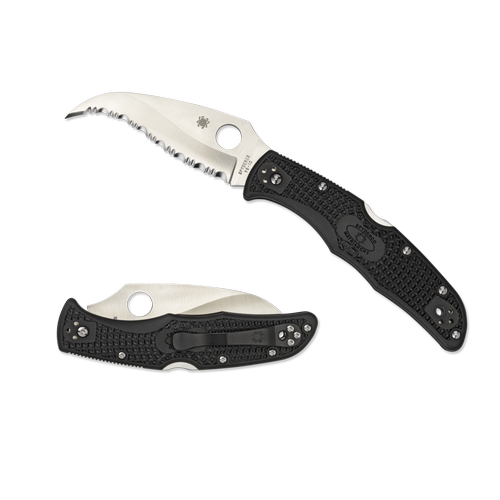
How to Choose a Pocket Knife for Camping
A good pocket knife is one of the most-used tools on any camping trip. You reach for it to open packaging, cut cord, trim kindling, prep food and fix small problems around camp. With so many blade shapes, locks and steels to choose from, picking one can feel harder than it should be. This guide explains what matters in a pocket knife for camping and points to real options you can find at Pine & Flint.
What Makes a Good Pocket Knife for Camping?
For camp use, a folding knife needs to be dependable more than fancy. It should be safe to open and close, comfortable to hold for a while, and easy to keep sharp. Most campers do well with a mid-size folder that locks open, has a general-purpose blade shape, and rides in a pocket or pack without drawing attention.
Before comparing models, think about how you camp. A weekend car camper who mostly cooks and cuts cord has different needs from a backpacker counting every ounce, or someone who also wants a knife for everyday carry back home.
Blade Shape: Start With a Drop Point
Blade shape decides what a knife does well.
Drop point
The spine slopes gently down to the tip, which gives a strong point and a long belly for slicing. It is the most versatile all-round shape for camp chores, from food prep to opening gear bags. The Gerber Air Ranger, for example, is listed with a fine-edge drop point blade and a G-10 handle.
Reverse S and hooked shapes
Curved, aggressive profiles such as the Reverse S blade on the Spyderco Matriarch 2 excel at slicing and cutting rope, but they take more practice to sharpen and are less natural for fine tasks like whittling.
Combo (partly serrated) edges
A combo edge adds serrations near the handle for sawing through cord or webbing, with a plain edge toward the tip for clean cuts. The Smith & Wesson Liner Lock Folding Knife (SW608) uses a 3.4-inch combo blade. Serrations are harder to sharpen at home, so many campers choose a plain edge unless they cut a lot of rope.
Locking Mechanism: Safety First
A lock keeps the blade from closing on your fingers while you work. For camping, choose a knife that locks open.
- Liner lock and frame lock: a spring-loaded piece of the liner or handle slides behind the blade. They are simple, common and easy to use with one hand.
- Back lock: a rocker bar on the spine locks the blade. It is a traditional, sturdy design.
- Crossbar-style locks: a bar across the handle engages the blade, and many work the same for left- and right-handed users. Check the product details to see which lock a knife uses. Benchmade's Mini Griptilian family is a popular all-round folder to compare.
Whatever the type, practice opening and closing the knife at home until it feels natural, and keep fingers out of the blade path when closing it.
Blade Steel: Balance Edge Holding and Easy Sharpening
Knife steels trade off edge retention, toughness, corrosion resistance and how easy they are to sharpen. You do not need to memorize steel charts. Keep these points in mind:
- Stainless steels resist rust, which helps around water, dew and food. Many camp knives use stainless blades, such as the VG-10 on the Matriarch 2 or the 8Cr13MoV on the SW608.
- Harder, wear-resistant steels hold an edge longer but can take more effort to sharpen in the field.
- Coatings such as the chromium nitride coating on the Benchmade Bugout cut glare and add a layer of protection, though the edge itself still needs care.
Whatever steel you choose, wipe the blade dry after use, especially after food prep.
Size and Weight: Mid-Size Is the Sweet Spot
A very small knife struggles with bigger chores, and a very large folder is heavy and awkward in a pocket. For most campers, a mid-size blade handles food, cord and packaging well. If you hike long distances, a lightweight folder matters. Benchmade describes the Bugout as a lightweight folder built to be carried anywhere without drawing attention.
Check local knife laws on blade length and carry before you travel, because rules vary by state and city.
Handle Material and Grip
Camp hands are often wet, cold or greasy, so grip matters.
- G-10: a textured composite that stays grippy when wet. Used on the Gerber Air Ranger.
- Aluminum: light and durable, but can feel slick or cold.
- Molded synthetics: light and affordable, often with texture molded in.
A pocket clip also helps. It keeps the knife in the same place every time so you are not digging through a pack.
Folding Knife or Fixed Blade for Camping?
A folder is compact and convenient for everyday camp tasks. A fixed blade has no moving parts, is quicker to clean and is stronger for heavy work such as batoning wood. Many campers carry a folding knife for daily chores and keep a fixed blade, such as the Benchmade Adamas with its CPM-CruWear blade, in the pack for heavier jobs. If you can only bring one, a sturdy mid-size folder covers most weekend trips.
Do Not Forget a Sharpener
A sharp knife is safer than a dull one because it needs less force and is less likely to slip. Bring a compact sharpener or touch up your edge before the trip.
- The Spyderco Bench Stone is a 2x8-inch stone in a polymer case with non-skid feet, good for touch-ups at home or camp.
- Lansky diamond hones work with the Lansky Controlled Angle Sharpening System and come in four grits for wear-resistant steels.
Browse more options in Sharpening Tools.
Camp Knife Safety and Care Tips
- Cut away from your body and keep others out of your cutting area.
- Close and clip the knife when you are not using it.
- Never use the tip as a pry bar or screwdriver. Carry a multi-tool for those jobs.
- Clean and dry the blade after food prep and wet weather.
- Put a drop of light oil on the pivot now and then, following the maker's advice.
- Keep knives out of reach of children around camp.
Where to Find Camping Pocket Knives at Pine & Flint
Pine & Flint stocks folding knives from brands including Benchmade, Spyderco, Kershaw, Gerber Gear and CIVIVI. You can explore the full Knives category, or pair your knife with the rest of your kit in Weekend Camp Setup. Check each product page for current specifications, price and stock.
FAQs
What is the best blade shape for a camping pocket knife?
A drop point is the most versatile choice. It offers a strong tip and a long slicing edge for food prep, cord and general camp chores.
Should a camping knife have a locking blade?
Yes. A lock such as a liner lock, frame lock, back lock or crossbar-style lock keeps the blade from closing on your fingers while you work.
Is a serrated edge better for camping?
Serrations help cut rope and webbing, but they are harder to sharpen. A plain edge suits most campers, and a combo edge is a middle ground.
Do I need a fixed blade as well as a folding knife?
Not for most weekend trips. A sturdy folder covers everyday tasks, while a fixed blade is stronger for heavy jobs like splitting kindling.
How do I keep my knife sharp at camp?
Sharpen before you leave and carry a compact stone or hone for touch-ups. Use light, even strokes at a consistent angle.
Recent Posts
-
Bug Out Bag Checklist: What to Pack for 72 Hours
A bug out bag is a ready-packed bag that lets you leave home quickly and look after yourself for abo …Oct 30th 2026 -
How to Choose a Pocket Knife for Camping
A good pocket knife is one of the most-used tools on any camping trip. You reach for it to open pack …Oct 30th 2026 -
Real Avid Gun Tool & Plano Tackle Box: Gear Guide
Organized gear makes every outing easier to prepare for, whether you are heading to the range, the w …Oct 28th 2026