
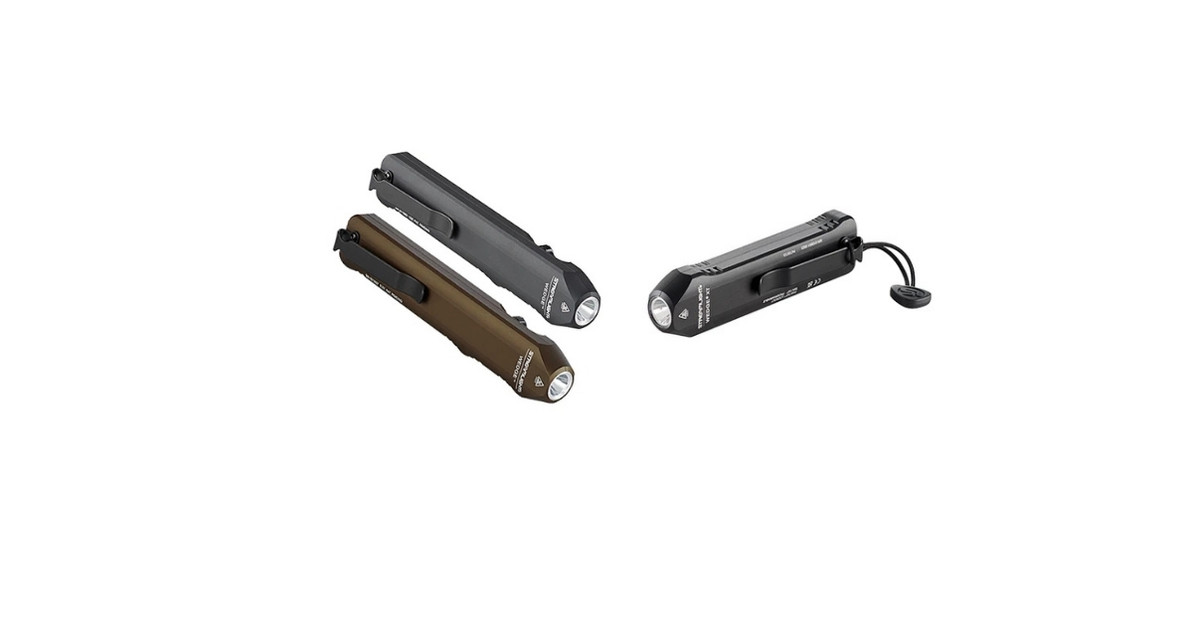
Why Are Reliable Lights Essential for Outdoor Adventures?
Darkness changes every outdoor environment. A familiar campsite can become difficult to navigate after sunset, while simple tasks such as finding equipment, walking to a vehicle, or preparing food can become much harder without dependable illumination.
That is why outdoor lights are more than convenient accessories. They are practical equipment for camping, hiking, travel, work, preparedness, and everyday situations where dependable visibility matters.
The best lighting solution depends on the task. A compact handheld light may be ideal for directed illumination, while area lighting can make a campsite more comfortable. Wearable lighting can keep your hands free, and specialized lighting may be appropriate for specific applications.
Understanding these differences can help you choose lighting equipment that actually matches your needs.
What Types of Outdoor Lights Are Available?
Outdoor lighting can generally be divided into several useful categories.
Handheld Lights
Handheld lights are portable and flexible. You can direct the beam toward a specific location, making them useful for walking, inspecting equipment, finding objects, or navigating unfamiliar areas.
Area Lights
Area lights are designed to illuminate a wider space. They can be useful around campsites, work areas, outdoor gatherings, and emergency situations.
Wearable Lights
Wearable lighting provides illumination while keeping your hands available. This can be useful when setting up camp, working with equipment, walking, or organizing supplies.
Specialty Lights
Some activities require specialized lighting configurations. These products should be selected based on their intended use, compatibility, and operating requirements.
Pine & Flint's Lights category includes area lighting, handheld lights, parts and accessories, specialty and wearable options, and other lighting categories.
Why Are Handheld Lights Useful?
One of the biggest advantages of a handheld light is control. You can point the beam exactly where you need it.
Imagine arriving at a campsite after dark. You may need to locate tent equipment, inspect the ground, find a dropped item, or walk toward a nearby facility. A handheld light can provide focused illumination without lighting the entire area.
Handheld lights are also useful outside camping. They can become part of a vehicle emergency kit, household preparedness kit, work bag, or everyday carry setup.
When choosing one, consider:
- Brightness
- Beam pattern
- Battery type
- Runtime
- Size
- Grip
- Durability
- Weather resistance
- Controls
A powerful light is not automatically the best choice. The ideal light is one that provides appropriate illumination while remaining practical to carry and operate.
When Is Area Lighting Better?
Focused beams are excellent for seeing in one direction, but they are not always the best option for illuminating a campsite.
Area lighting can provide broader illumination for spaces such as:
- Camp tables
- Cooking areas
- Sheltered spaces
- Work areas
- Outdoor gatherings
- Emergency locations
A good area light can make it easier for multiple people to see at the same time.
For camping, this type of lighting can also improve organization. Instead of everyone using separate handheld lights, one area light can provide general illumination while handheld lights remain available for tasks requiring focused visibility.
Why Are Wearable Lights Convenient?
Outdoor tasks often require both hands. Setting up shelter, organizing equipment, cooking, repairing gear, or carrying supplies can become awkward if one hand must always hold a light.
Wearable lights solve this problem by keeping the illumination attached to your body or clothing.
They can be particularly useful for:
- Hiking
- Camping
- Nighttime maintenance
- Outdoor work
- Equipment setup
- Emergency tasks
The most important consideration is comfort. A wearable light should be secure without becoming distracting during movement.
How Should You Choose the Right Light for Camping?
Start by thinking about what you will actually do after dark.
If you need to walk around, a handheld or wearable light may be useful. If you spend most of your time at camp, area lighting may provide more value.
For a complete camping setup, consider using more than one lighting type.
For example:
Primary light: A dependable handheld or wearable option.
Camp light: An area light for general illumination.
Backup: A compact secondary light kept separately from the main equipment.
This approach reduces dependence on one device.
Why Does Battery Planning Matter?
A light is only useful when it has power.
Battery planning should be part of outdoor preparation. Before leaving, check the condition of batteries or the charge level of rechargeable equipment.
For longer trips, consider:
- Spare batteries where compatible
- A backup light
- Charging equipment where appropriate
- Separate storage for backup power
- Expected runtime
Avoid waiting until the light becomes dim before thinking about power.
What Does Durability Mean for Outdoor Lighting?
Outdoor lights can be exposed to drops, moisture, dust, temperature changes, and repeated handling.
Durability features can therefore matter as much as brightness.
Depending on your activity, look for characteristics such as:
- Rugged construction
- Water resistance
- Dust resistance
- Secure controls
- Protective lens design
- Reliable mounting options
However, always match the product's specifications to your actual environment rather than assuming every outdoor light is designed for every condition.
How Can Lighting Improve Emergency Preparedness?
Lighting is one of the simplest preparedness tools because darkness can make many other problems harder to solve.
During a power outage, severe weather event, vehicle problem, or unexpected nighttime situation, reliable lighting can help you move safely, locate supplies, inspect your surroundings, and complete essential tasks.
A basic preparedness lighting setup can include:
- One primary handheld light
- One backup light
- Spare compatible power
- An area light
- A wearable option if needed
Keep emergency lighting in a known and accessible location.
How Can You Avoid Buying the Wrong Light?
One common mistake is choosing a light based only on maximum brightness.
Instead, evaluate the entire product.
Ask:
- Where will I use it?
- How far do I need to see?
- Do I need focused or broad illumination?
- Will I carry it for long periods?
- Do I need hands-free operation?
- What power source does it use?
- Will it be exposed to moisture?
- Do I need a backup?
These questions create a much more useful buying decision.
Why Is Lighting Important Beyond Camping?
Outdoor lights are useful in many situations beyond recreational adventures.
They can support:
- Home preparedness
- Vehicle emergency kits
- Outdoor work
- Travel
- Hiking
- Fishing
- Campground activities
- Nighttime maintenance
- Emergency response
Because of this versatility, a good lighting setup can become one of the most frequently used pieces of outdoor equipment you own.
How Can You Build a Practical Lighting Kit?
A practical kit should combine different lighting roles rather than relying on one product.
Start with a dependable handheld light. Add area lighting if you regularly camp or work outdoors. Consider wearable lighting for hands-free tasks. Finally, keep a backup light available.
Store the equipment where it is easy to reach, and check power regularly.
Good lighting is not about having the brightest possible beam. It is about having dependable visibility when and where you need it.
Frequently Asked Questions
Q. What is the best type of light for camping?
A. There is no single best option for every camper. Handheld lights are useful for focused illumination, area lights work well around camp, and wearable lights are convenient for hands-free tasks.
Q. Should I carry a backup light outdoors?
A. Yes. A backup light can be valuable if the primary light is lost, damaged, or runs out of power, particularly during overnight or remote activities.
Q. Are wearable lights useful for hiking?
A. They can be very useful because they provide illumination while leaving both hands available for movement, equipment, or other tasks.
Q. What should I consider besides brightness?
A. Consider runtime, power source, size, durability, weather resistance, beam pattern, controls, and how comfortable the light is to carry or wear.
Recent Posts
-
Why Is Camping Gear Essential for a Better Outdoor Adventure?
Camping offers a simple way to step away from busy routines and spend meaningful time outdoors. Whet …Aug 31st 2026 -
Why Are the Right Bags and Packs Essential for Outdoor Gear?
Outdoor adventures often involve carrying more equipment than expected. Clothing layers, food, hydra …Aug 31st 2026 -
Why Are Reliable Lights Essential for Outdoor Adventures?
Darkness changes every outdoor environment. A familiar campsite can become difficult to navigate aft …Aug 31st 2026