
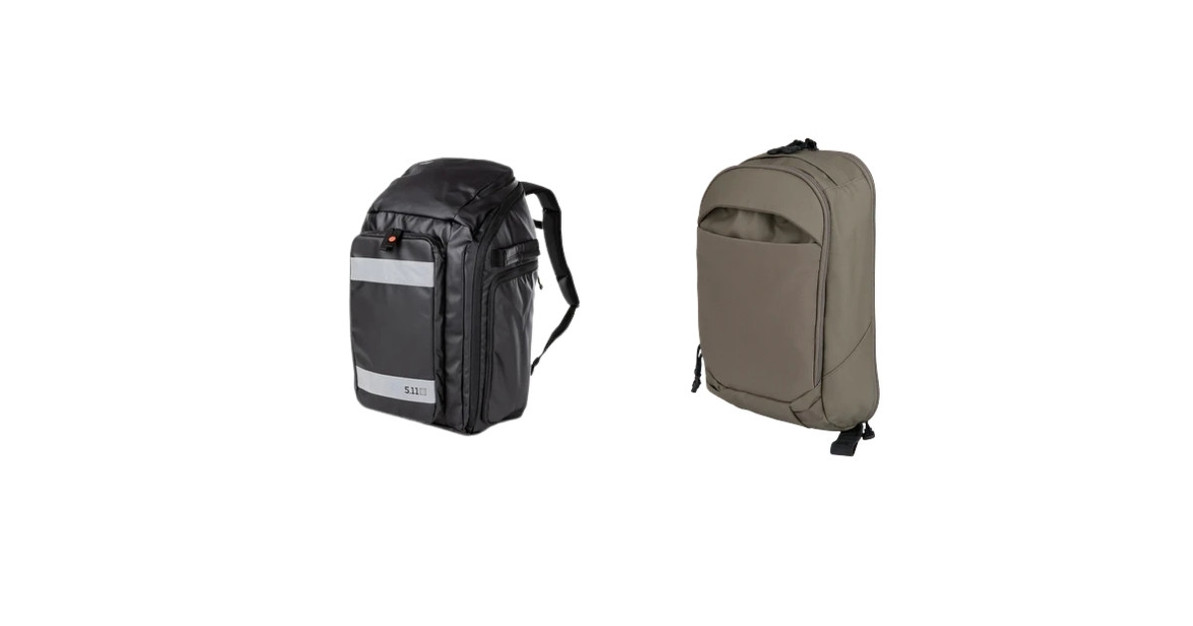
Why Are the Right Bags and Packs Essential for Outdoor Gear?
Outdoor adventures often involve carrying more equipment than expected. Clothing layers, food, hydration, lighting, tools, personal items, and emergency supplies all need a practical place to go.That is where bags and packs become essential.
The right carrying system can make equipment easier to transport, organize, and access. The wrong one can create unnecessary weight, discomfort, clutter, and frustration.
Whether you are heading to a campground, exploring a trail, traveling for the weekend, or preparing an everyday outdoor kit, the best bag depends on what you need to carry and how you plan to move.
What Should You Look for in a Bag or Pack?
Before choosing a bag, start with its intended purpose.
Consider:
- What will you carry?
- How much space do you need?
- How far will you carry it?
- Will you walk, hike, drive, or travel?
- Do you need quick access?
- Will the bag encounter moisture or dirt?
- How important is organization?
- Do you need specialized compartments?
A bag designed for short-distance transportation does not necessarily need the same features as a hiking pack.
Choosing according to use makes the final decision much easier.
Why Is Organization Important?
Outdoor equipment often includes many small items. Without organization, even a well-sized bag can become difficult to use.
A good organization system can separate items into logical groups.
For example:
Frequently used: phone, wallet, lighting, snacks
Outdoor essentials: hydration, navigation, clothing layers
Safety equipment: first aid and emergency supplies
Tools: compact tools and repair equipment
Personal items: keys, documents, hygiene supplies
Keeping equipment organized also makes it easier to identify what is missing before leaving.
How Do Backpacks Support Outdoor Activities?
Backpacks are designed to carry equipment while leaving your hands available.
This makes them useful for hiking, camping, travel, work, and other active situations.
When choosing a backpack, look at:
- Capacity
- Shoulder straps
- Back support
- Weight distribution
- Accessibility
- Ventilation
- Compartments
- Adjustability
A backpack should match the amount of equipment you expect to carry.
A larger backpack may provide greater flexibility, but extra capacity can also encourage unnecessary packing. A smaller pack can help keep your setup lightweight.
What Is the Difference Between Capacity and Usability?
A bag's capacity tells you how much it can hold, but capacity alone does not determine how useful it will be.
Two bags with similar storage volume can feel completely different in practice.One may provide convenient compartments and quick access, while another may have one large space that makes organization more difficult.
Think about how often you will need to access specific items.If you regularly need a flashlight, hydration system, phone, or first-aid supplies, placing those items in easy-access compartments can save time.
Why Does Weight Distribution Matter?
A heavy bag can become uncomfortable if the weight is poorly distributed.
When packing, place heavier items where they can be carried comfortably and keep frequently accessed items within easy reach.
Avoid putting all heavy equipment in one outer pocket. This can affect balance and make movement less comfortable.
For longer walks, adjust the shoulder and support straps before starting.
A well-packed bag should feel stable rather than constantly shifting as you move.
How Can Bags and Packs Help With Camping?
Camping involves transportation from your vehicle to your campsite and often movement around the outdoor environment.
Bags and packs can help organize the process.
Separate bags can be used for:
- Clothing
- Food
- Cooking equipment
- Lighting
- Tools
- Personal items
- First aid
- Hydration
This makes setup and breakdown more efficient.Instead of searching through one large container for every item, you can identify which bag contains the equipment you need.
Why Are Specialized Bags Useful?
Not every activity requires a general-purpose backpack.Specialized bags can provide features designed around particular equipment or activities.
Depending on your needs, you may want:
- Compact utility bags
- Outdoor packs
- Storage bags
- Range-oriented bags
- Travel bags
- Equipment cases
- Small accessory pouches
The important thing is to choose specialized equipment for a genuine need rather than accumulating bags that perform overlapping functions.
Pine & Flint offers Bags & Packs as one of its primary categories, with bags and miscellaneous options alongside its broader outdoor and preparedness equipment selection.
How Should You Choose a Bag for Hiking?
Hiking introduces additional considerations because the bag will be carried for extended periods.Comfort, weight, fit, and access become especially important.
Before choosing a hiking-oriented pack, consider:
- Trail duration
- Distance
- Weather
- Water requirements
- Food requirements
- Clothing layers
- Navigation equipment
- Emergency supplies
Try to keep unnecessary items out of the pack. Every extra item contributes to the total load.For short hikes, a compact pack may be sufficient. Longer trips require greater capacity and more careful organization.
What Features Matter for Outdoor Durability?
Outdoor bags can experience dirt, moisture, abrasion, repeated loading, and frequent transportation.Durability may therefore be an important consideration.
Look at:
- Material construction
- Stitching
- Zippers
- Buckles
- Shoulder straps
- Handles
- Seams
- Protective features
The appropriate level of durability depends on your use.A daily-use bag may face different challenges from a pack carried through rugged terrain or exposed to changing weather.
How Can You Pack More Efficiently?
Efficient packing starts with removing items you do not need.Before putting equipment into your bag, ask whether each item serves a purpose.
Then organize by frequency of use.Items you may need quickly should be accessible. Items that are unlikely to be used until you reach camp can be placed deeper inside.
Use smaller pouches to group loose equipment. This prevents small items from disappearing at the bottom of a large compartment.
Another useful practice is to keep emergency or safety equipment in a consistent location. Familiarity becomes valuable when you need something quickly.
How Can You Protect Your Gear?
Outdoor gear may be exposed to rain, dirt, spills, and rough handling.Protective organization can help keep sensitive equipment separated from wet or dirty items.
Depending on your needs, consider:
- Waterproof or water-resistant storage
- Separate clothing bags
- Protective cases
- Internal pouches
- Sealed containers for small items
Do not assume that a bag is waterproof simply because it is marketed for outdoor use. Always check the product's specifications.
Why Should You Inspect Your Bags Regularly?
Bags are often overlooked until something breaks.Regular inspection can identify problems before they become inconvenient.
Check:
- Zippers
- Straps
- Buckles
- Seams
- Handles
- Bottom panels
- Compartments
Remove dirt and debris when needed and store bags in a dry environment. If a pack is regularly exposed to moisture, allow it to dry completely before long-term storage.
Can One Bag Handle Every Outdoor Activity?
Sometimes, but not always. A versatile backpack can work well for several activities, particularly if your needs are relatively simple. However, specialized activities may benefit from specialized carrying solutions.
For example, a short hike may require only water, snacks, and a few personal items. A full camping trip may require much more equipment.
Instead of searching for one bag that does everything, consider creating a small collection where each bag has a clear purpose.
This approach can actually reduce clutter because you know which bag to use for each type of activity.
How Do Bags and Packs Support Preparedness?
Preparedness is partly about having useful supplies available and partly about keeping those supplies organized.
A well-organized pack can provide a portable way to carry essential equipment.
Depending on your circumstances, this may include:
- First-aid supplies
- Lighting
- Hydration
- Basic tools
- Communication equipment
- Weather protection
- Personal essentials
The contents should always reflect your actual needs and environment.
The goal is not to carry everything. It is to make important equipment accessible when you need it.
What Makes a Bag a Good Long-Term Choice?
A good long-term bag is one that continues to fit your activities.
Look for a combination of:
- Appropriate capacity
- Comfortable carrying
- Useful organization
- Durable construction
- Practical access
- Easy maintenance
- Features that match your needs
Avoid paying for features that you will never use simply because they sound impressive.
The best bag is ultimately the one that makes carrying and organizing your equipment easier.
Frequently Asked Questions
Q. How do I choose the right bag or pack?
A. Start with the activity and equipment you need to carry. Consider capacity, comfort, organization, durability, access, and environmental conditions before choosing a bag.
Q. Are backpacks good for camping?
A. Yes. Backpacks are useful for carrying personal equipment, hiking away from camp, and organizing smaller outdoor essentials. Larger camping loads may require additional storage solutions.
Q. How can I make a backpack more comfortable?
A. Avoid unnecessary weight, distribute equipment carefully, and adjust the shoulder and support straps correctly. A stable load is generally more comfortable than one that shifts while walking.
Q. Should outdoor bags be waterproof?
A. Waterproofing is useful in wet environments, but not every outdoor bag is waterproof. Always check the manufacturer's specifications and use protective storage when sensitive equipment needs additional protection.
Recent Posts
-

Why Is Camping Gear Essential for a Better Outdoor Adventure?
Camping offers a simple way to step away from busy routines and spend meaningful time outdoors. Whet …Aug 31st 2026 -
Why Are the Right Bags and Packs Essential for Outdoor Gear?
Outdoor adventures often involve carrying more equipment than expected. Clothing layers, food, hydra …Aug 31st 2026 -
Why Are Reliable Lights Essential for Outdoor Adventures?
Darkness changes every outdoor environment. A familiar campsite can become difficult to navigate aft …Aug 31st 2026