
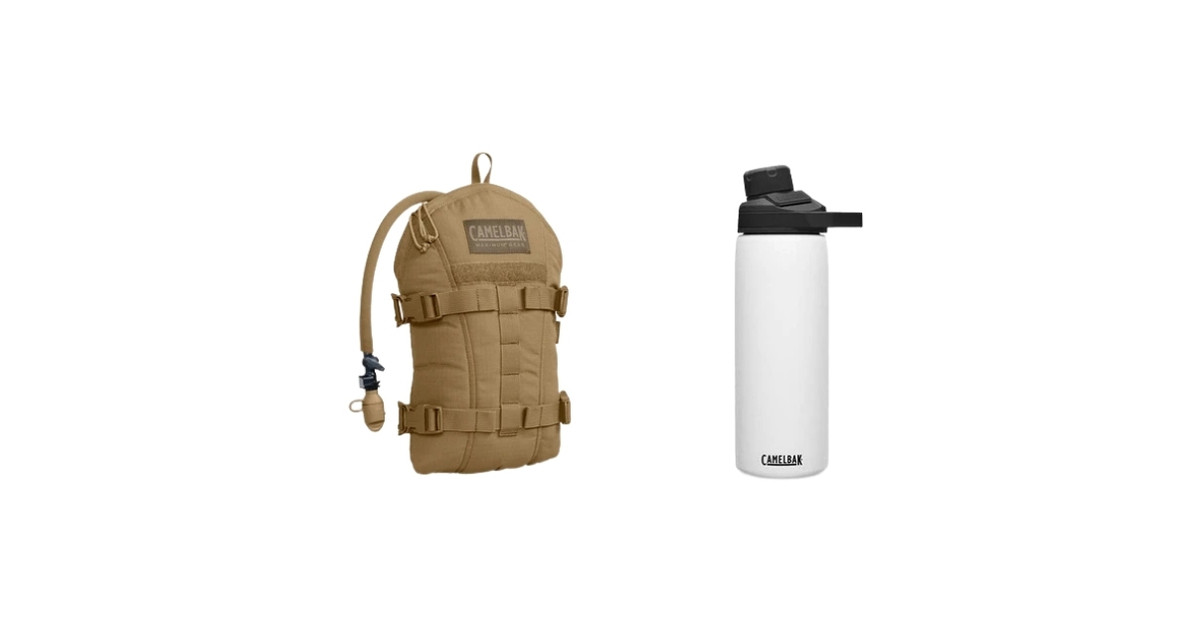
Why Are Hydration Packs a Smart Choice for Active Adventures?
Staying hydrated is an essential part of spending time outdoors, but carrying and accessing water can become inconvenient when you are moving continuously.
A hydration pack provides a practical alternative by combining water storage with a wearable carrying system. Instead of stopping frequently to reach into a backpack or hold a bottle, users can drink through an accessible hose or drinking system while continuing their activity.
This makes hydration packs particularly useful for hiking, trail activities, cycling, camping, travel, and other situations where movement and convenience matter.
The right hydration pack is not simply about how much water it holds. Capacity, fit, comfort, storage, durability, cleaning, and activity requirements all influence whether a pack works well for you.
What Is a Hydration Pack?
A hydration pack is a wearable pack designed to carry a water reservoir along with the equipment needed to drink from it while moving.
Depending on the design, a hydration pack may provide space for more than water. Some models can accommodate small personal items, snacks, tools, clothing layers, or other essentials.
This makes hydration packs different from traditional water bottles because the system is designed around accessibility and movement.
For active users, that convenience can make staying hydrated easier to incorporate into the activity.
Why Is Hands-Free Hydration Useful?
One of the biggest benefits of a hydration pack is hands-free access to water.
When hiking, for example, stopping to remove a bottle from a backpack can interrupt your pace. A hydration system places drinking access much closer to the user.
Hands-free hydration can be particularly convenient for:
- Hiking
- Trail walking
- Cycling
- Camping
- Travel
- Outdoor work
- Long recreational activities
The less effort required to access water, the easier it can be to maintain a consistent hydration routine.
How Do You Choose the Right Hydration Pack Size?
Capacity should match the activity rather than simply being as large as possible.
For a short walk, a compact hydration solution may be enough. A longer hike may require additional water and storage capacity.
Think about:
- Duration of the activity
- Weather conditions
- Physical intensity
- Access to refill points
- Distance from your vehicle
- Additional equipment
- Personal hydration needs
A larger pack can carry more supplies, but it may also add weight. A smaller pack can be lighter and easier to manage but may provide less storage.
The ideal balance depends on the trip.
Why Does Fit Matter?
A hydration pack needs to stay comfortable while you move.
Poor fit can cause unwanted movement, pressure points, or discomfort. A properly fitted pack should remain stable without restricting normal movement.
Look at features such as:
- Adjustable shoulder straps
- Chest or sternum straps
- Waist support where applicable
- Reservoir placement
- Ventilation
- Overall weight
- Pack shape
Before a longer trip, adjust the pack and test it with the amount of water and equipment you expect to carry.
This helps identify comfort problems before you are several miles into a trail.
What Else Can You Carry in a Hydration Pack?
Many hydration packs provide additional storage beyond the water reservoir.
Depending on the model, you may be able to carry:
- Snacks
- Phone
- Keys
- Small first-aid supplies
- Maps
- Sunglasses
- Compact tools
- Extra clothing layers
- Personal essentials
This makes a hydration pack useful when you want to carry only a limited amount of equipment without using a large traditional backpack.
However, avoid overloading a compact pack. The purpose is to make movement convenient, not to turn it into an unnecessarily heavy load.
How Important Is Reservoir Capacity?
Reservoir capacity affects how long you can remain active before needing a refill.
There is no universal amount that is right for every person or activity. Your water requirements can vary with temperature, physical exertion, duration, and access to water.
Before choosing capacity, ask:
How long will I be away from a refill source?
How active will I be?
What weather conditions are expected?
Will I need space for other equipment?
These questions provide a better basis for selecting capacity than simply choosing the largest available reservoir.
How Should You Clean a Hydration Pack?
Regular cleaning is important for maintaining a fresh and usable hydration system.
After use, follow the manufacturer's cleaning recommendations. In general, the reservoir and drinking components should be emptied, cleaned appropriately, and allowed to dry completely.
Pay particular attention to:
- Reservoir interior
- Drinking tube
- Bite valve or mouthpiece
- Caps and connection points
- Areas where moisture can remain trapped
Drying is especially important because storing damp equipment can create unpleasant odors and hygiene problems.
For frequent users, establishing a cleaning routine after each extended outing can make maintenance easier.
Why Is Durability Important?
Hydration packs are often used in environments where they may encounter dirt, moisture, branches, rocks, repeated movement, and regular transportation.
Durability therefore matters.
Look at the construction of the pack, straps, zippers, reservoir compartment, and drinking components. The best choice depends on the type of environment in which you plan to use it.
A pack intended for occasional walks may have different requirements from one used frequently on rugged trails.
Can Hydration Packs Be Used for Camping?
Yes. Hydration packs can be particularly useful when camping involves hiking away from the main campsite.
Instead of carrying a bottle in your hand or stopping repeatedly to access water stored inside a larger pack, a hydration system provides convenient access while moving.
For a full camping setup, however, a hydration pack should complement rather than replace your overall water-storage plan.
Longer trips may require additional water containers or access to safe refill sources.
Why Are Hydration Packs Useful for Hiking?
Hiking combines movement, distance, changing terrain, and variable weather. Having water easily accessible can make the experience more convenient.
A hydration pack can also help distribute water weight across the body rather than requiring you to carry a bottle continuously.
When hiking, make sure the pack is adjusted before starting. Check the drinking system, confirm that the reservoir is properly secured, and organize additional equipment so that important items remain accessible.
How Can You Make a Hydration Pack Last Longer?
Proper maintenance can help extend the useful life of your hydration equipment.
Follow these habits:
- Clean the reservoir regularly
- Dry components completely
- Avoid unnecessary overloading
- Inspect straps and seams
- Check connections for leaks
- Store the reservoir properly
- Follow manufacturer care instructions
Do not wait until a leak or damaged component causes a problem on the trail.
A quick inspection before every major trip can help identify issues early.
What Makes a Hydration Pack Practical?
The best hydration pack is one that fits your activity naturally.
If you enjoy short hikes, a compact model may be enough. If you spend hours on trails, additional capacity and storage may be more important. If you travel frequently, a lightweight and organized design may be the priority.
Pine & Flint lists Hydration Packs as a dedicated outdoor category alongside camping, lighting, bags and packs, and other equipment designed for camp and trail use.
Instead of buying based only on appearance, consider how the pack will perform during the activities you actually enjoy.
Frequently Asked Questions
Q. Are hydration packs better than water bottles?
A. Neither option is universally better. Hydration packs provide convenient hands-free access, while bottles can be simple to refill, clean, and carry. Your activity determines which option is more practical.
Q. What size hydration pack should I choose?
A. Choose capacity based on activity length, expected conditions, water availability, and how much additional equipment you need to carry.
Q. How often should a hydration reservoir be cleaned?
A. Clean it regularly, especially after extended use. Follow the manufacturer's cleaning instructions and allow the reservoir and drinking components to dry completely before storage.
Q. Can I use a hydration pack for hiking?
A. Yes. Hydration packs are particularly suitable for hiking because they provide convenient water access while allowing you to keep your hands free.
Recent Posts
-
Why Is Camping Gear Essential for a Better Outdoor Adventure?
Camping offers a simple way to step away from busy routines and spend meaningful time outdoors. Whet …Aug 31st 2026 -
Why Are the Right Bags and Packs Essential for Outdoor Gear?
Outdoor adventures often involve carrying more equipment than expected. Clothing layers, food, hydra …Aug 31st 2026 -
Why Are Reliable Lights Essential for Outdoor Adventures?
Darkness changes every outdoor environment. A familiar campsite can become difficult to navigate aft …Aug 31st 2026